
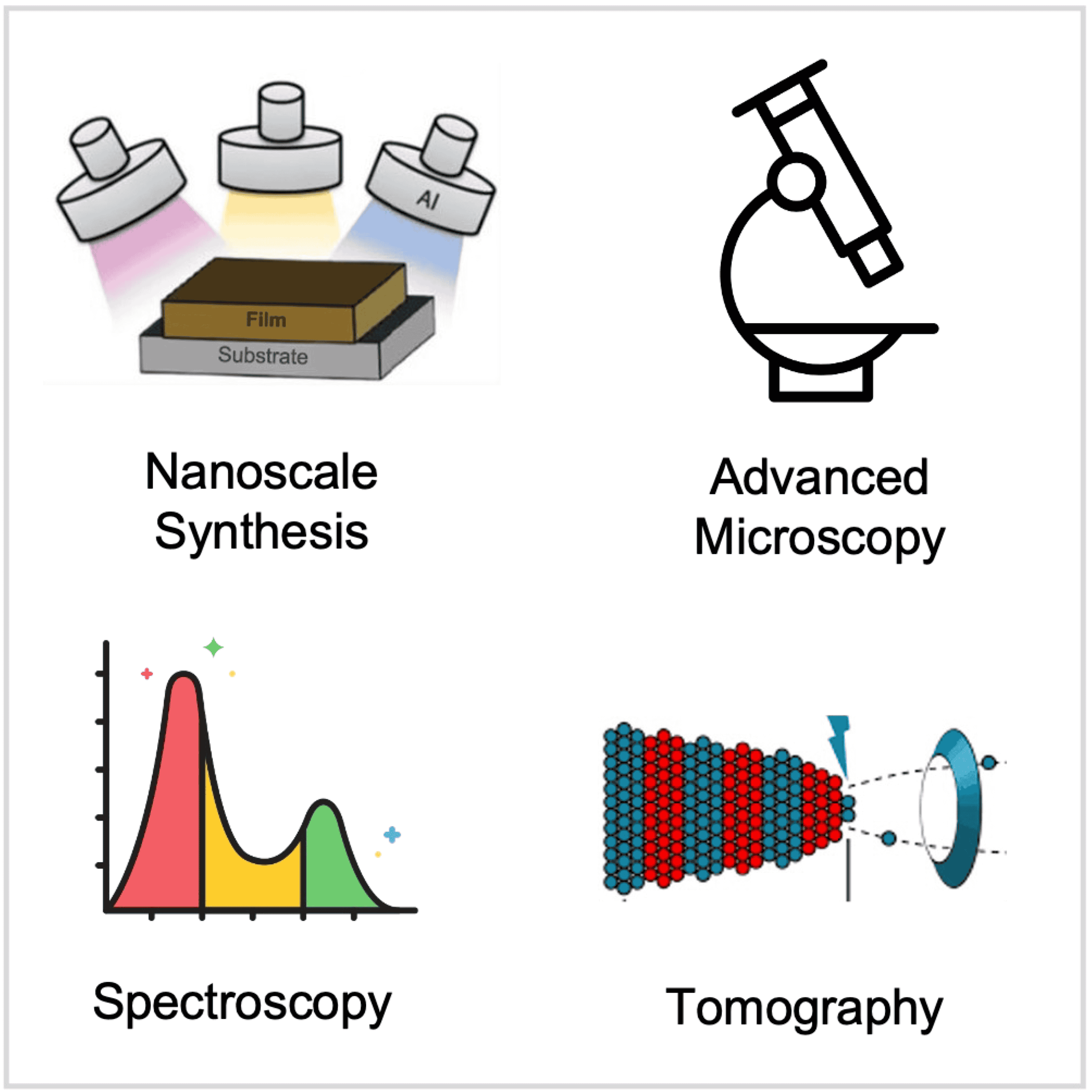
At MSME, researchers are advancing in-situ and correlative electron microscopy (TEM, SEM) methods to enable real-time visualization of microstructural evolution and resolve defects. Our faculty is associated with a SATHI-CISCoM national facility dedicated to correlative and in situ microscopy and cutting-edge atom probe tomography (APT). APT provides three-dimensional, atomic-scale compositional mapping, while Scanning Probe Microscopy techniques such as AFM and STM reveal surface features with atomic resolution. We are establishing platforms like SEM–EBSD, PPMS, Raman, AFM/PFM, and XRD — laying the groundwork for advanced materials characterisation. Absorption and Raman spectroscopy are employed to investigate electronic transitions and vibrational modes, respectively. With XRD, researchers are decoding the symmetry hidden in structure, setting the stage for deeper insights into phase and orientation. Additionally, groups are developing optical platforms for carrying out in-situ tracking of materials phenomena. Collectively, advanced materials characterization delivers a comprehensive understanding essential for cutting-edge materials design and innovation.
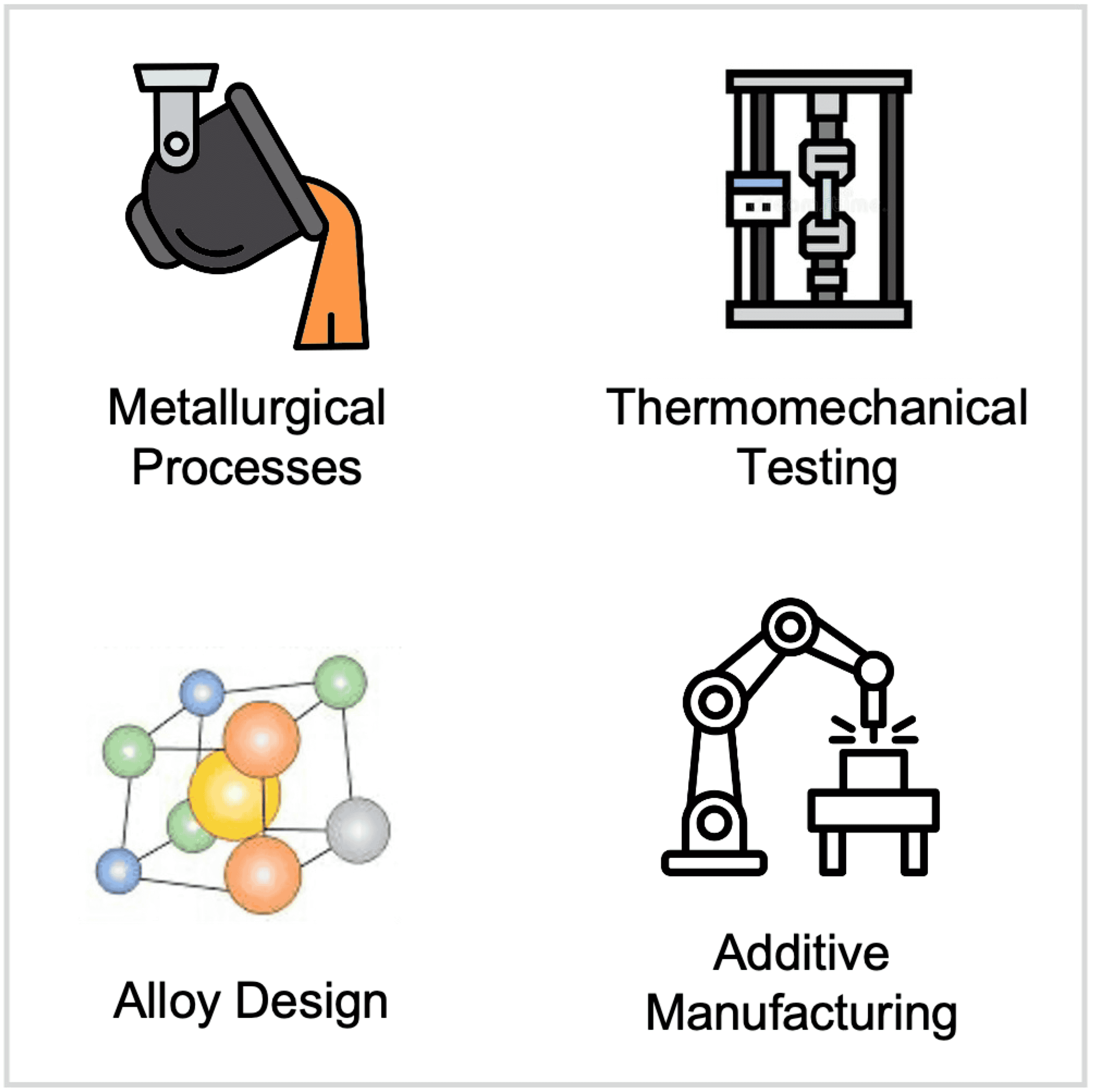
MSME researchers are employing advanced materials processing techniques for developing structural materials as well as for extracting and refining critical minerals. Additive manufacturing techniques enable precise fabrication of complex geometries, while traditional processing methods (extraction, casting, welding, etc.) continue to be optimized for efficiency and scalability. Mechanical deformation processes, such as rolling and extrusion, are used to enhance material properties like strength and ductility. Additionally, researchers are employing alloy design approaches (high entropy, complex concentrated alloys, light-weighting, etc.) to optimize strength and ductility trade-off for cutting-edge application. Nanostructuring techniques allow control over material behavior at the atomic scale, and the development of advanced composites and alloys offers tailored performance for industries like hydrogen storage, aerospace, defence, and automotive.
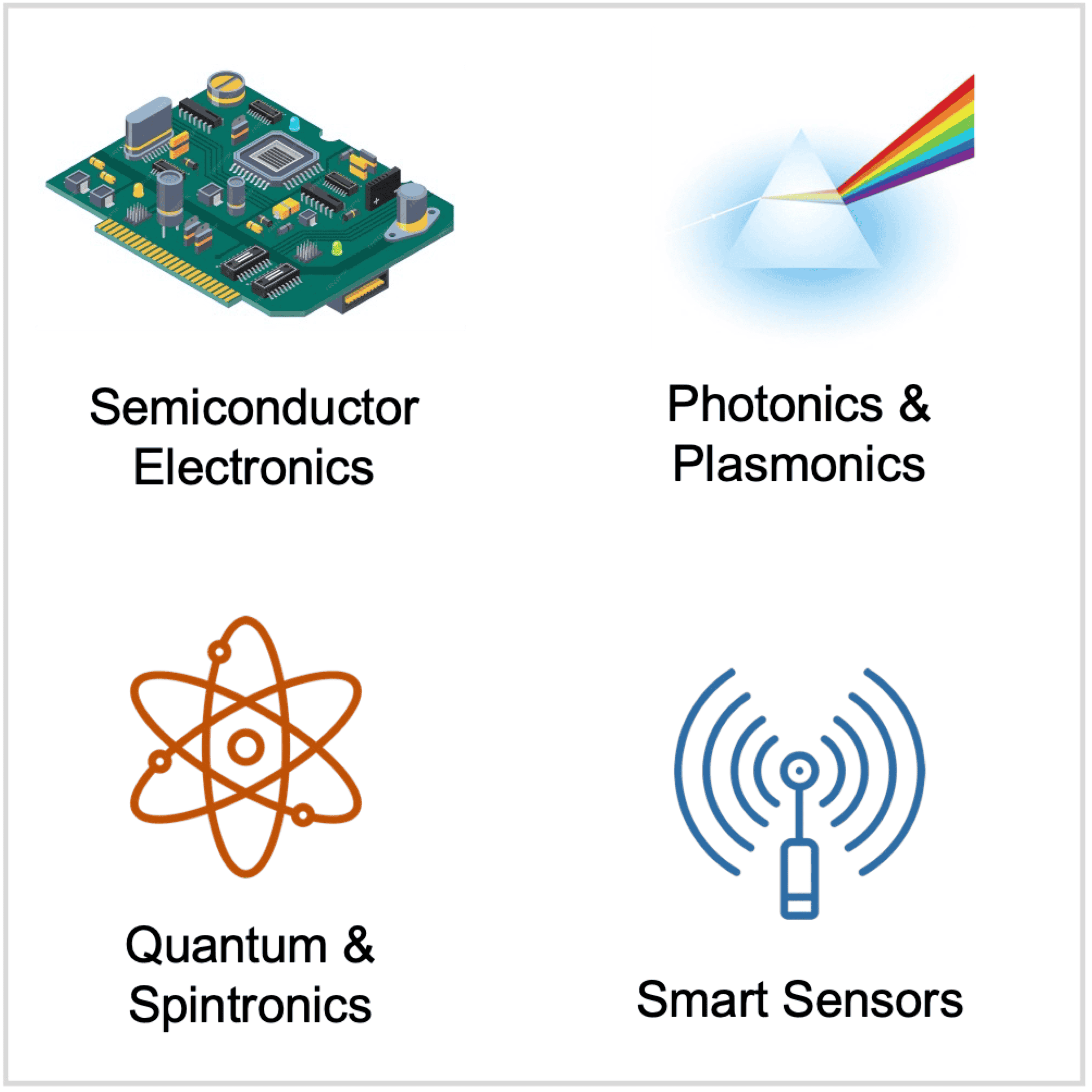
Functional materials and devices are the cornerstone of next-generation technologies in sensing, communications, and computing. At MSME, researchers are utilizing advanced physical and chemical synthesis techniques to engineer these materials with tailored functional properties. These materials are critical to the development of high-performance sensors, semiconductor devices, and memory systems, offering significant improvements in speed, sensitivity, and energy efficiency. Micro- and nanoscale fabrication methods facilitate the integration of these materials into sophisticated device architectures, advancing the limits of miniaturization and functionality. Breakthroughs in functional materals research are essential for scaling quantum computing, optoelectronics, and nanoelectronics to industry standards.
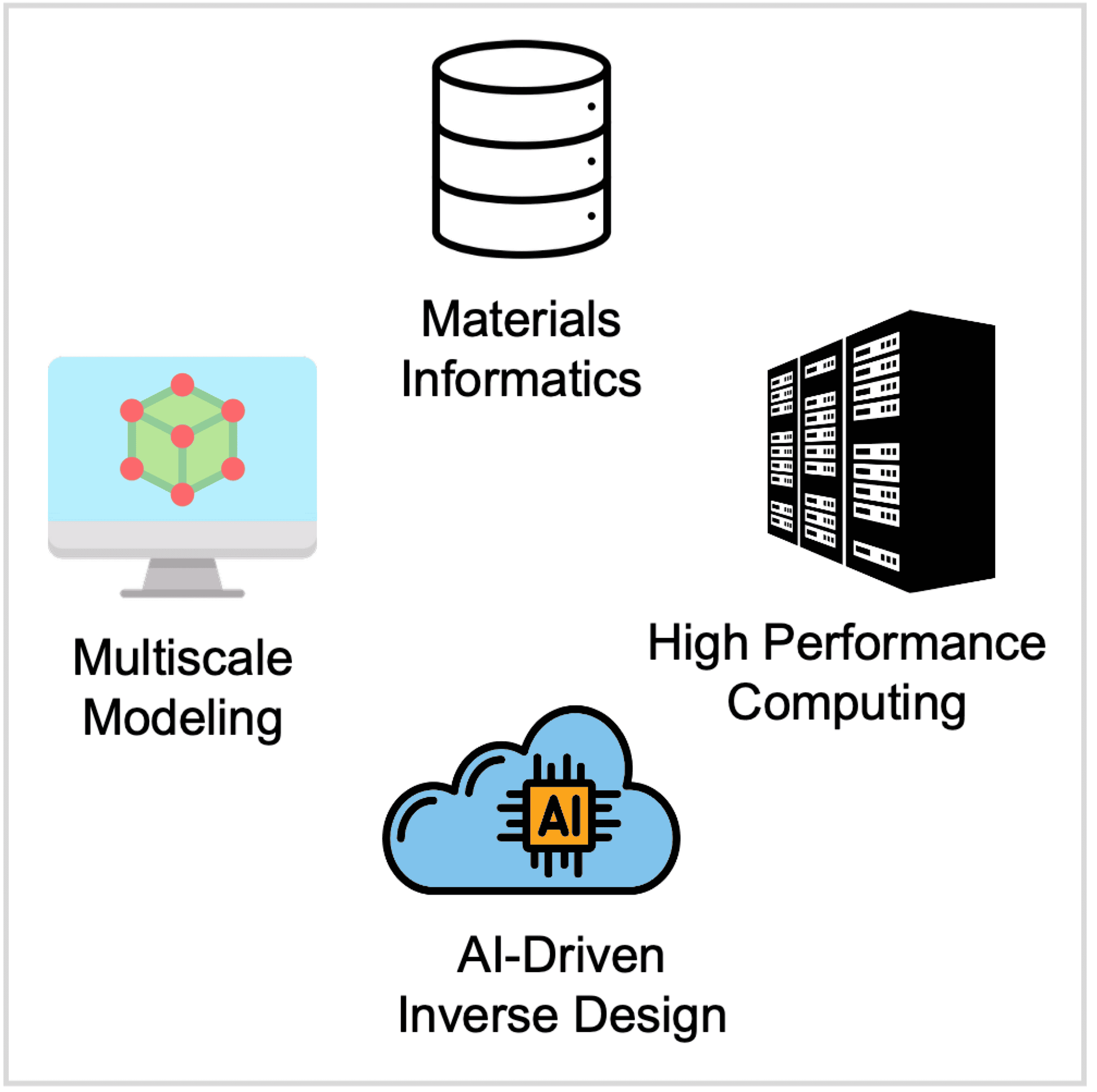
Computational materials science is central to accelerating materials discovery and design. Researchers at the MSME Department are developing multiscale modeling techniques that bridges physics-based quantum and atomistic methods (e.g., DFT, MD) with mesoscale simulations (e.g., phase-field, dislocation dynamics) to provide a holistic understanding of structure–property relationships. Computational thermodynamics offers critical insights into phase stability and transformations, guiding the design of advanced alloys and compounds. AI-driven approaches are also being pursued to build predictive models and optimize design processes. Powered by high-performance computing, these efforts are significantly reducing development timelines and driving innovation across energy, electronics, and manufacturing sectors.
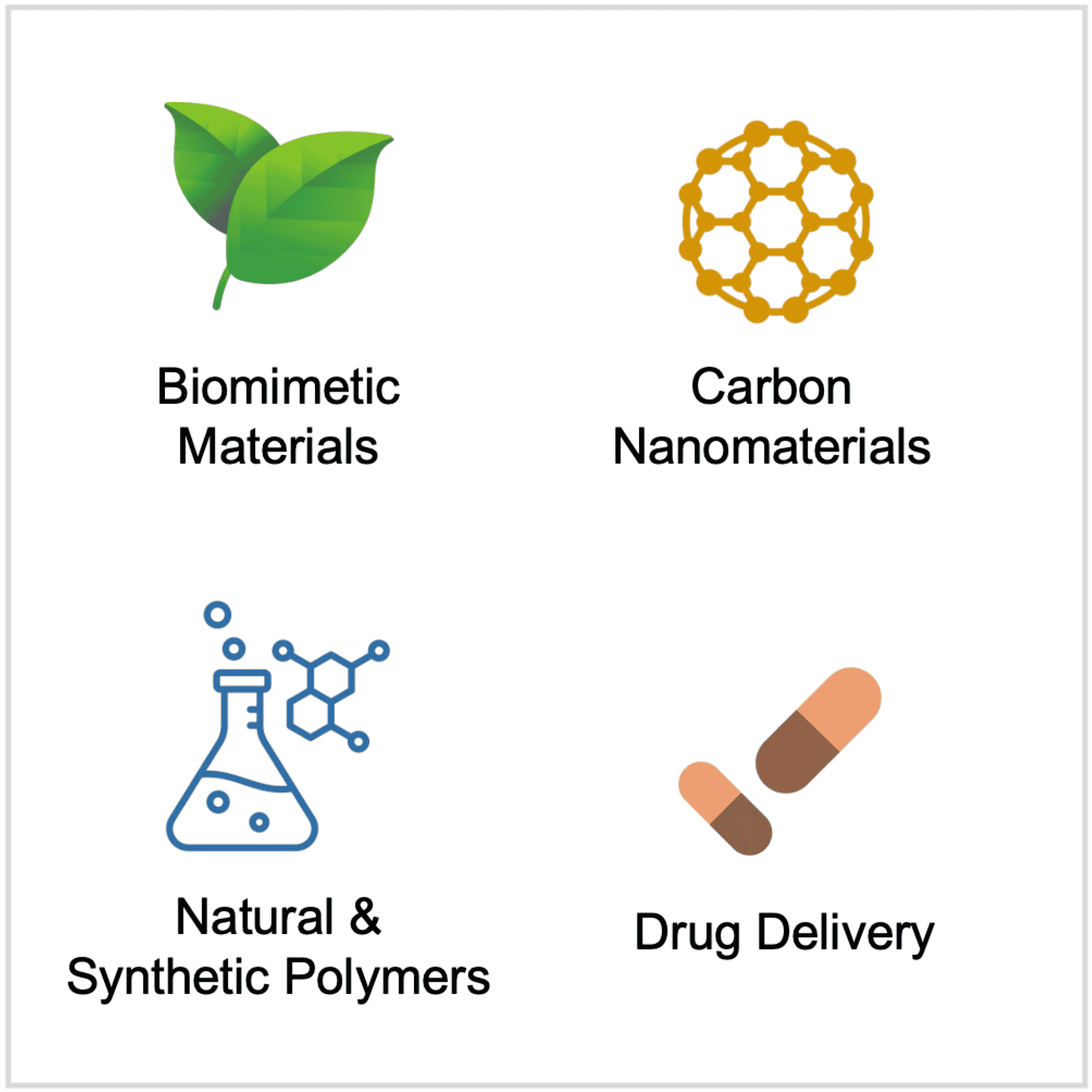
Biomaterials are transforming healthcare by integrating principles of materials science and biology. At MSME department researchers are employing natural and synthetic polymers for tissue engineering and drug delivery due to their biocompatibility and tunable properties. Biomimetic materials, inspired by nature, aim to replicate the structure and function of biological tissues, enhancing regenerative medicine strategies. Carbon based nanomaterials offer exceptional strength, conductivity, and functional versatility for biosensing and targeted therapies. These materials play a critical role in the development of advanced biomedical devices, enabling innovations in diagnostics, implants, and minimally invasive treatments that improve patient outcomes and quality of life.
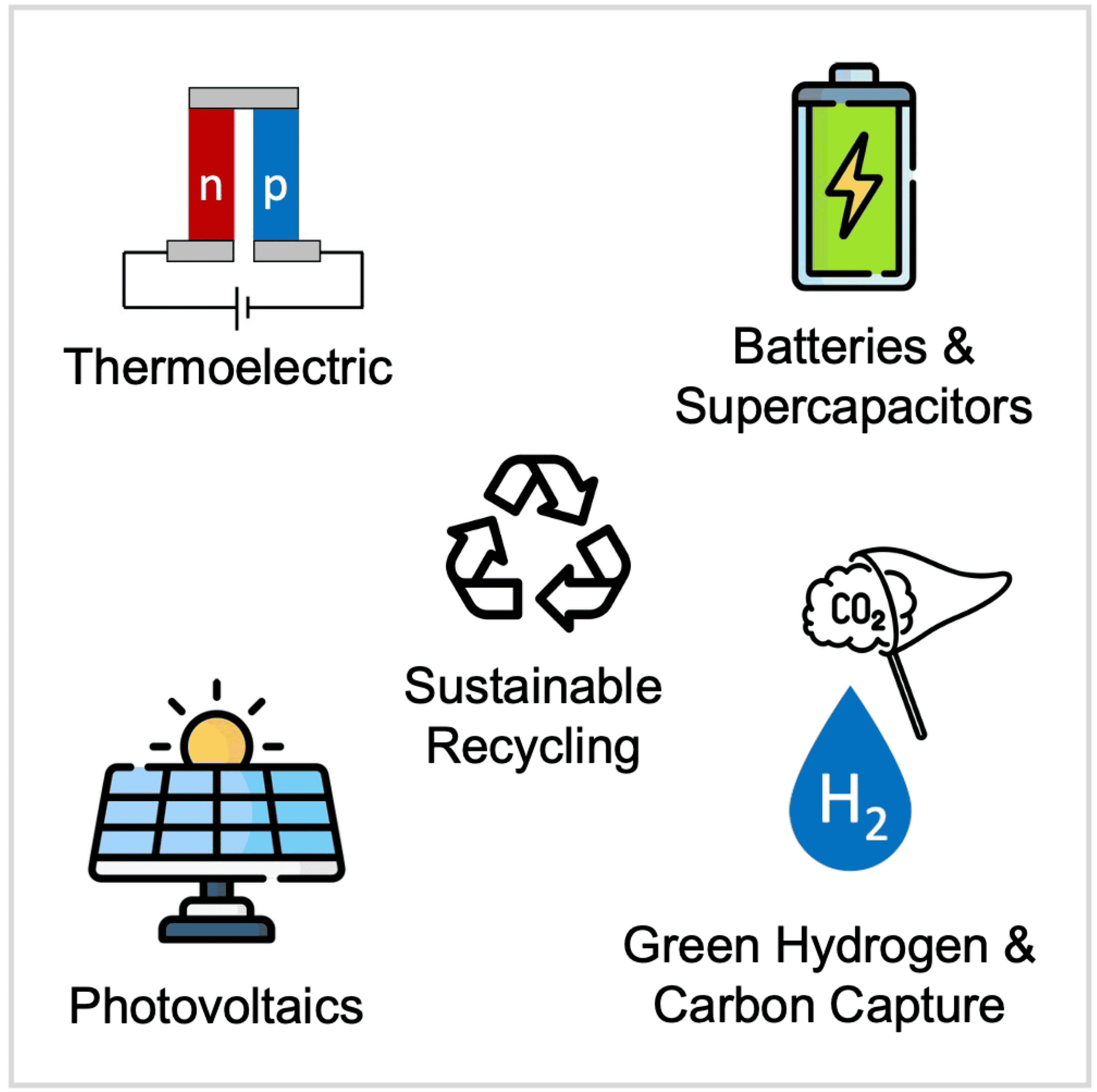
Materials science plays a crucial role in advancing technologies for sustainable energy and environmental protection. At MSME, thermoelectric materials, are gaining traction for waste heat recovery, and are being engineered at the nanoscale to enhance their efficiency and scalability. Researchers are investigating batteries, especially lithium-ion and emerging solid-state types, are central to energy storage solutions. Material innovations in electrochemical processes are ongoing to improving their performance, safety, and lifespan. We are also actively investigating materials and catalysis routes for green hydrogen production, technology that is a cornerstone of a sustainable energy future. Researchers at MSME are exploring critical minerals are essential for the global transition to clean energy technologies like solar, wind, and electric vehicles. Additionally, we are developing carbon capture technologies that leverage advanced porous materials, such as metal-organic frameworks (MOFs), to selectively capture CO₂ from industrial emissions.